
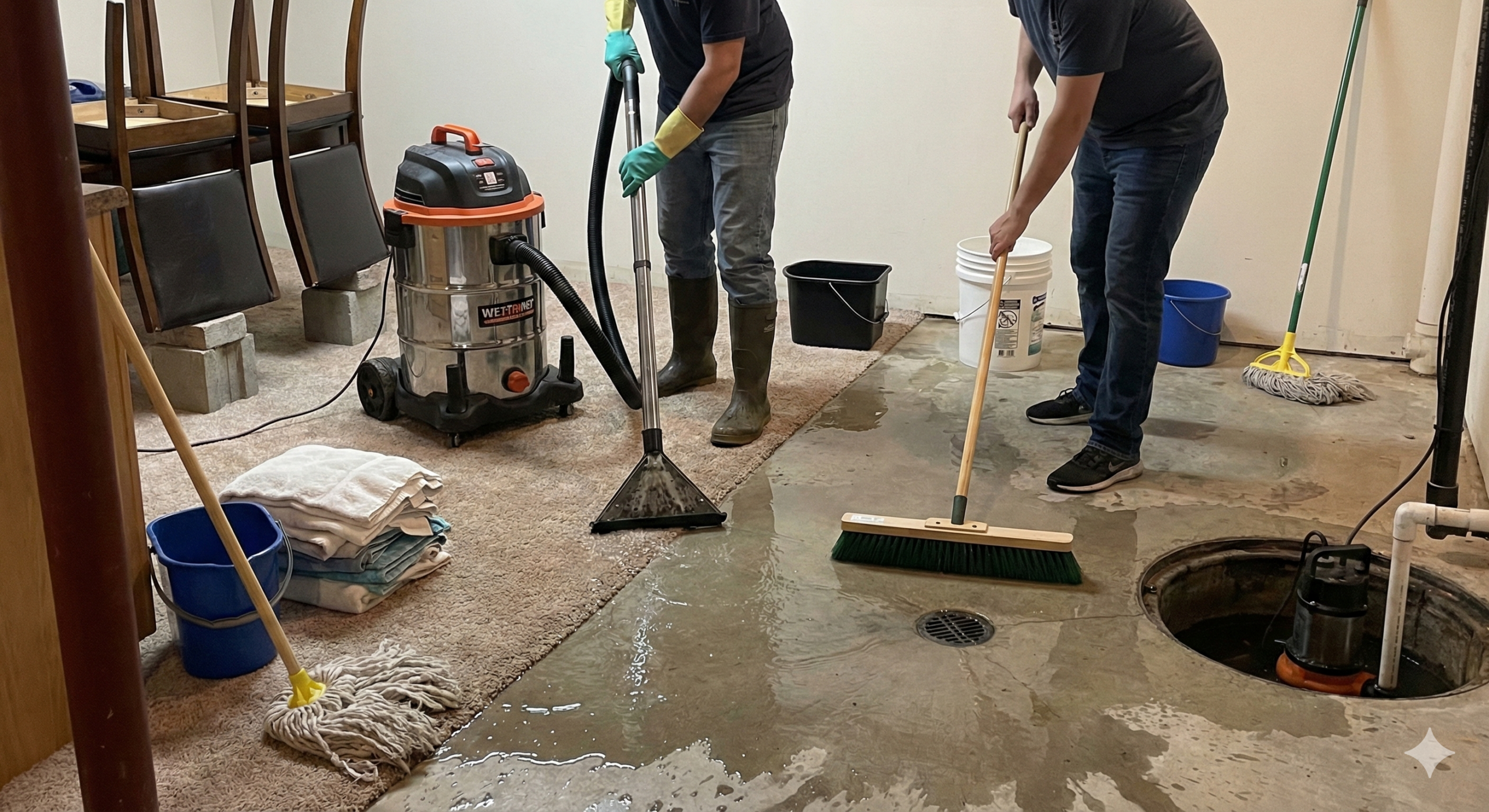
When water leaks occur — whether from a burst pipe, roof drip, or appliance malfunction — the danger doesn’t stop when the visible water disappears. Mold can begin growing in as little as 24–48 hours after moisture exposure, especially on porous materials like drywall, wood, carpet backing, and insulation.
Microscopic mold spores are everywhere in indoor environments, and they only need three things to thrive: moisture, warmth, and a food source. Once moisture is present, these spores can activate and start colonizing surfaces quickly, often before you can see any visible signs.
This rapid growth puts your health, indoor air quality, and property at risk. Mold exposure has been linked to allergic reactions and respiratory irritation, and extensive colonization can damage structural materials and lead to costly remediation. The good news? If you know how mold grows and act quickly to stop it — by drying, cleaning, and controlling moisture — you can prevent small leaks from turning into serious mold problems.
In this guide, we’ll walk through how fast mold can grow after a leak and the best steps you can take right away to stop it before it spreads and becomes harder to remove.
Understanding Mold Growth
Mold is a type of fungus that thrives in damp, warm environments and reproduces through tiny spores that are virtually everywhere in indoor spaces. Common indoor molds include Cladosporium, Penicillium, Aspergillus, and Stachybotrys (black mold). While most spores are harmless in small amounts, once they find moisture and organic material—like wood, drywall, carpet, or insulation—they can begin to grow rapidly.
Mold requires three main conditions to thrive: moisture, warmth, and a food source. Even a minor leak from a pipe, roof, or appliance can provide enough moisture for spores to activate. Warm indoor temperatures accelerate growth, while organic materials like wood, paper, or fabric serve as the nutrients mold needs to spread.
Leaks are particularly high-risk because they often occur in hidden areas, such as behind walls, under flooring, or inside cabinets. These unseen damp spots allow mold to colonize without being immediately detected, increasing the risk of structural damage and health issues. That’s why early detection and prompt moisture control are critical to preventing mold infestations.
How Fast Mold Can Grow
Mold can begin developing within just 24 to 48 hours after water exposure, making it one of the fastest-growing threats following a leak. According to the EPA, even small amounts of moisture trapped in walls, floors, or ceilings can trigger rapid mold growth if not addressed promptly.
Several factors influence how quickly mold spreads. Humidity levels, indoor temperature, type of building materials, and ventilation all play a role. For instance, porous materials like drywall, carpet, and insulation retain moisture and provide a rich food source for mold, allowing it to colonize faster than on non-porous surfaces like tile or metal. Warm, poorly ventilated areas further accelerate growth by keeping surfaces damp longer.
Early signs of mold often go unnoticed but can include a musty odor, discoloration on walls or ceilings, water stains, or condensation around windows and pipes. Recognizing these signs early is critical, as even a small, hidden infestation can expand quickly, causing structural damage and potential health problems if left untreated. Acting fast is key to stopping mold before it spreads.
Immediate Steps to Stop Mold
Step 1: Dry the Area Thoroughly
Once you discover a leak or water intrusion, acting quickly is essential. Open windows and doors to increase airflow, use fans to circulate air, and run dehumidifiers to remove moisture from the environment. For larger areas or severe water exposure, professional-grade air movers and industrial dehumidifiers are more effective at removing hidden moisture.
Step 2: Remove Wet Materials
Next, remove any wet or porous materials that cannot be fully dried, such as carpets, carpet padding, insulation, and damaged drywall. These materials can harbor moisture and provide the perfect environment for mold spores to grow. Removing them promptly reduces the risk of mold spreading throughout your home.
Step 3: Clean and Disinfect Surfaces
After removing wet materials, clean and disinfect all affected surfaces. Use mold-safe cleaning products, or a mixture of water and bleach for hard, non-porous surfaces, to eliminate spores that may already be present. Pay attention to corners, baseboards, and areas where water may have pooled or seeped into cracks.
Step 4: Monitor Moisture Levels
Finally, monitor moisture levels carefully to ensure that all surfaces and materials are completely dry. Moisture meters and thermal imaging can help identify hidden damp spots that could allow mold to develop. By acting immediately and following these steps, you can stop mold in its tracks and protect both your property and your family’s health.
When to Call a Professional
Step 1: Hidden Mold Risk
If water has penetrated areas that are not easily visible, such as behind walls, ceilings, or under flooring, there is a high risk that mold may already be growing unseen. Professionals have the tools and expertise—like thermal imaging and moisture meters—to detect hidden moisture and mold before it spreads further.
Step 2: Large Leaks or Flooding
For significant leaks, flooding, or water that has soaked multiple rooms or structural materials, DIY methods are often insufficient. Certified restoration experts can safely extract large volumes of water, dry the property thoroughly, and prevent secondary damage. Using industrial-grade equipment ensures all moisture is removed, reducing the likelihood of mold growth.
Step 3: Health Concerns
Mold exposure can trigger allergies, asthma attacks, and other respiratory issues, especially in sensitive individuals such as children, the elderly, or those with pre-existing conditions. If anyone in the home is experiencing symptoms, or if the water damage involves contaminated sources like sewage, it is essential to contact professionals immediately.
Calling a restoration professional ensures safe, efficient, and thorough mold prevention, protecting both your home and your family’s health.
Preventing Future Mold
Step 1: Perform Regular Maintenance
Check your home’s plumbing, roof, and appliances frequently for leaks or signs of water damage. Even minor drips can create ideal conditions for mold over time. Repair leaks promptly to stop moisture from accumulating and affecting structural materials.
Step 2: Ensure Proper Ventilation
Bathrooms, kitchens, and laundry areas are prone to high humidity, which encourages mold growth. Use exhaust fans, open windows when possible, and maintain airflow in these spaces. Proper ventilation helps keep surfaces dry and reduces the risk of mold forming.
Step 3: Use Moisture Barriers
Install moisture barriers in basements, crawlspaces, and other areas prone to dampness. These barriers prevent water from seeping into walls or floors, helping to maintain a dry environment that discourages mold.
Step 4: Conduct Routine Inspections
Regularly inspect areas of your home that are at risk for hidden water damage, such as behind appliances, under sinks, and around windows or rooflines. Early detection of leaks or damp spots allows you to address problems before mold can establish itself.
By following these preventive measures, you can significantly reduce the chances of mold growth, protect your home’s structural integrity, and safeguard your family’s health.
Conclusion
Mold can begin growing within 24–48 hours after a leak, making it one of the fastest and most dangerous consequences of water damage. Acting quickly is critical to protect your home, belongings, and family’s health.
Even small leaks or minor flooding should never be ignored. Promptly drying affected areas, removing wet materials, and disinfecting surfaces can stop mold before it spreads. For larger leaks, hidden moisture, or contaminated water, calling a professional restoration team is the safest and most effective way to prevent long-term damage.
Don’t wait—address water damage immediately to keep your home safe and mold-free.