
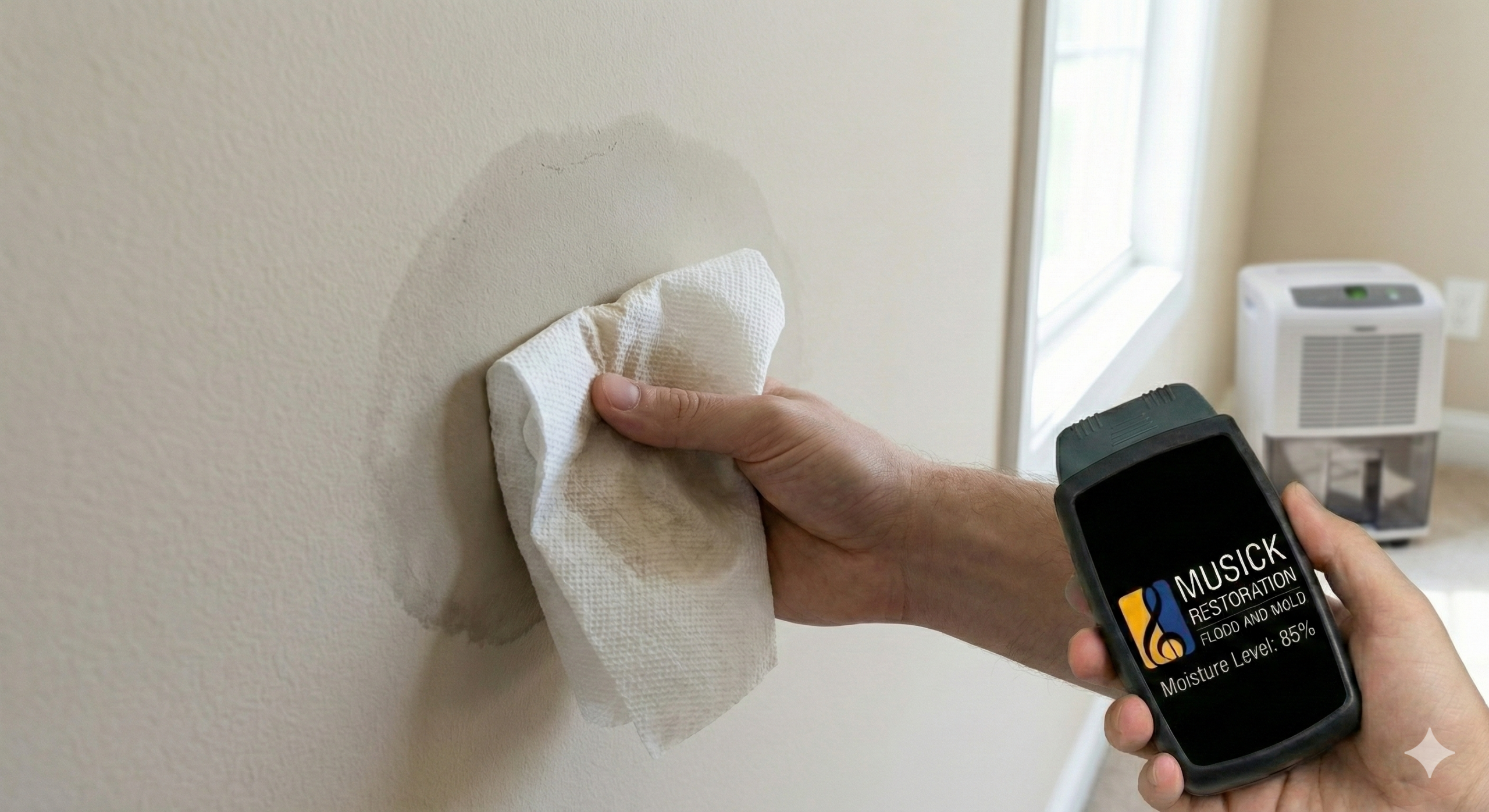
Hidden water damage is one of the most dangerous problems a home can face, because it often goes unnoticed until significant damage has already occurred. Unlike obvious leaks or flooding, hidden water can silently seep into walls, ceilings, floors, and insulation, compromising structural integrity and creating the perfect conditions for mold growth, wood rot, and electrical hazards.
Detecting water damage early is crucial. According to the Insurance Information Institute (III), water damage and freezing are the second most common homeowners insurance claims, accounting for nearly 20% of all claims in the U.S. Early detection helps prevent costly repairs, protects your family’s health, and maintains the long-term value of your property.
Water damage can occur even without obvious leaks. Hidden issues often stem from slow plumbing leaks, condensation, roof leaks, or faulty appliances, which may not leave visible signs until the damage is severe. Recognizing the warning signs early can save homeowners significant time, money, and stress, ensuring their property remains safe and habitable.
1. Discoloration on Walls and Ceilings
One of the most common signs of hidden water damage is discoloration on walls or ceilings. You may notice yellow, brown, or dark stains, even if the surface appears dry to the touch. These stains often indicate that water has seeped behind paint or drywall, causing moisture to become trapped and damage the material from the inside out.
Another warning sign is bubbling, peeling, or blistering paint. When moisture infiltrates the wall, it causes the paint to lose adhesion, resulting in raised areas or flaking. Similarly, wallpaper may start to peel or warp, signaling that water has affected the underlying surface.
Even small stains should not be ignored, as they can be an early indicator of a hidden leak or ongoing moisture problem. Addressing the issue quickly can prevent mold growth, structural damage, and costly repairs. According to the Environmental Protection Agency (EPA), untreated moisture behind walls is one of the leading causes of indoor mold growth, which can affect both property and health.
2. Warping or Buckling Floors
Another clear sign of hidden water damage is warping or buckling of floors. Hardwood, laminate, or tile flooring may start to lift, curl, or separate from the subfloor. Soft spots or uneven areas underfoot can also indicate that moisture has penetrated beneath the surface.
This type of damage usually occurs when water seeps into the subflooring or underlayment, causing materials to swell, weaken, or lose their structural integrity. Even if the top surface appears dry, water trapped below can continue to compromise your floors over time, leading to costly repairs or replacement.
According to the National Association of Home Builders (NAHB), water-related structural damage—including warping floors—is one of the most common indicators of underlying moisture problems in homes. Detecting and addressing these issues early can prevent further deterioration and help maintain the safety and value of your property.
3. Musty or Unusual Odors
A persistent musty or damp smell in your home is often one of the first clues of hidden water damage. Even if there are no visible signs of leaks, this odor can indicate the presence of moisture trapped behind walls, under flooring, or in poorly ventilated areas.
Musty smells are usually caused by mold or mildew growth, which thrives in damp conditions. Common areas where these odors originate include basements, crawlspaces, behind cabinets, under sinks, or around appliances like dishwashers and washing machines. Detecting these smells early is important because mold can develop quickly and pose health risks, including allergies, respiratory issues, and skin irritation.
According to the Centers for Disease Control and Prevention (CDC), indoor mold exposure can cause respiratory symptoms, sinus congestion, and allergic reactions, particularly in children, the elderly, and people with pre-existing conditions. If you notice persistent musty odors, it’s a strong indicator that hidden water damage may be present, and professional inspection is recommended to prevent further structural and health issues.
4. Damp or Wet Spots
Damp or wet spots are one of the most obvious indicators of hidden water damage, even if the source of the moisture isn’t immediately clear. These spots may feel soft, spongy, or unusually cold compared to surrounding areas, signaling that water has penetrated the materials beneath the surface.
You might also notice condensation forming on walls, ceilings, or windows, especially in areas with poor ventilation or high humidity. Even when no active leak is visible, this condensation can indicate trapped moisture that could lead to structural damage or mold growth.
Water can also accumulate behind wallpaper or paneling, where it’s hidden from plain sight. Over time, this trapped moisture may cause the wallpaper to bubble, peel, or warp, and the underlying wall materials may begin to weaken or develop mold.
According to HomeAdvisor, identifying hidden wet spots early is critical because water that goes unnoticed can damage walls, flooring, and structural elements within days, leading to costly repairs. Regular inspections and prompt action can prevent these hidden issues from escalating.
5. Visible Mold Growth
Visible mold growth is a strong indicator of hidden water damage and should never be ignored. Even small patches of mold in corners, under sinks, or behind appliances suggest that moisture has been present long enough for fungi to establish themselves.
Mold often starts as tiny spots that can be easily overlooked but can quickly spread if the underlying moisture problem isn’t addressed. It can appear in various colors such as black, green, or white, and may grow on walls, ceilings, flooring, insulation, or even on personal belongings.
Mold is not only damaging to property but also poses health risks. According to the CDC, exposure to indoor mold can trigger allergic reactions, asthma attacks, and respiratory issues, particularly in children, the elderly, or anyone with pre-existing respiratory conditions.
If you notice any visible mold, it’s a clear signal that hidden water damage exists and professional assessment and remediation are necessary to prevent further structural damage and protect your family’s health.
6. Unexplained High Utility Bills
A sudden or unexplained spike in your water bill can be a subtle but important sign of hidden water damage. Even if there are no visible leaks, water may be escaping from pipes, toilets, irrigation systems, or appliance connections, leading to higher consumption and wasted resources.
Hidden leaks can persist for weeks or months, slowly saturating walls, floors, or foundations. Over time, this can cause structural damage, mold growth, and compromised building materials. Homeowners often overlook rising utility bills as a warning sign, but it can be one of the first indicators that something is wrong.
According to the U.S. Environmental Protection Agency (EPA), household leaks can waste nearly 10,000 gallons of water annually, contributing to both property damage and increased costs. Monitoring your water usage and investigating unusual spikes can help detect hidden leaks early, preventing extensive damage and reducing repair costs.
7. Peeling or Bubbling Wallpaper and Caulk
Peeling or bubbling wallpaper and failing caulk are common signs of hidden water damage behind walls, around windows, or near plumbing fixtures. When moisture gets trapped behind wallpaper or paint, it weakens the adhesive, causing lifting, bubbling, or wrinkles. Similarly, caulk around sinks, tubs, or windows may start to crack, shrink, or separate, allowing water to seep into walls or countertops.
Even if the damage appears minor, it can indicate ongoing moisture problems that, if left unaddressed, can lead to mold growth, wood rot, and structural deterioration. Regularly inspecting these areas for early signs of peeling or bubbling can help homeowners catch hidden leaks before they escalate.
According to The Family Handyman, moisture behind wallpaper or failed caulking is often a primary cause of hidden water damage in homes, and prompt attention can prevent larger, more expensive repairs.
8. Sagging Ceilings or Walls
Sagging ceilings or walls are serious structural indicators of prolonged water exposure. When water infiltrates ceilings, walls, or roof structures over time, it weakens the building materials, causing them to warp, bow, or sag. This type of damage often signals that hidden leaks—such as those from plumbing, roof damage, or slow seepage—have persisted for weeks or even months.
In addition to being unsightly, sagging ceilings or walls can pose safety hazards, including the risk of collapse or falling debris. Ignoring these warning signs can result in more extensive structural damage and higher repair costs.
According to This Old House, sagging drywall or plaster is a common sign that hidden water damage has compromised structural components, and professional assessment is strongly recommended to prevent further deterioration.
Early detection and remediation can protect both your home’s structural integrity and your family’s safety, making it critical to act immediately if sagging is noticed.
When to Call a Professional
While some minor water issues can be handled with DIY methods, there are situations where calling a professional is essential to prevent further damage and ensure safety.
Persistent Signs Despite DIY Checks
If you’ve noticed ongoing issues such as stains, musty odors, or warped floors that persist despite your attempts to dry or fix the problem, it’s time to call in the experts. Hidden water can continue damaging materials even when the surface appears dry.
Large Areas Affected
When water damage affects multiple rooms, large sections of flooring, or extensive wall and ceiling areas, professional restoration is needed. Experts have the equipment and experience to remove water efficiently, thoroughly dry the structure, and prevent long-term issues like mold or rot.
Contaminated Water or Mold Suspected
Water from sources like sewage backups, storm flooding, or appliances can carry harmful bacteria and contaminants. If mold is already visible or suspected, professional intervention is critical. Certified technicians follow industry-standard remediation practices, safely removing contaminants and restoring your property without spreading hazards.
Calling a professional ensures that all affected areas are properly assessed, treated, and restored, protecting your home, belongings, and health.
Prevention Tips
Taking proactive measures can help prevent hidden water damage and protect both your home and health.
1. Regular Inspections of Plumbing, Appliances, and Roofs
Routine checks of pipes, faucets, water heaters, and appliances like washing machines and dishwashers can help spot leaks early. Inspecting your roof, gutters, and attic for signs of moisture or damage also prevents water from seeping into walls or ceilings.
2. Promptly Fixing Leaks
Even minor drips can lead to significant hidden water damage over time. Addressing leaks as soon as they are detected—whether from plumbing, appliances, or roof penetrations—reduces the risk of mold growth, structural issues, and costly repairs.
3. Controlling Humidity and Improving Ventilation
High indoor humidity encourages condensation and mold growth. Using dehumidifiers in basements or crawlspaces, ensuring proper ventilation in bathrooms and kitchens, and running exhaust fans during high-moisture activities can help maintain safe moisture levels and prevent hidden water damage.
By implementing these prevention strategies, homeowners can detect issues early, reduce repair costs, and maintain a safe, healthy living environment.
Conclusion
Hidden water damage can silently compromise your home’s structural integrity, health safety, and overall value. From discoloration on walls to warped floors, musty odors, or sagging ceilings, these warning signs indicate that moisture may be causing unseen damage.
Early detection and prompt action are essential to prevent costly repairs, mold growth, and long-term property deterioration. By staying vigilant and addressing issues quickly, homeowners can protect both their homes and families.
If you suspect hidden water damage, don’t wait—contact professional water damage restoration experts today. Certified technicians can assess your property, identify hidden problems, and implement a complete restoration plan to keep your home safe, dry, and fully restored.
Call-to-Action:
- Phone: 760-237-8410
- Online Request: [Request a Free Inspection]