
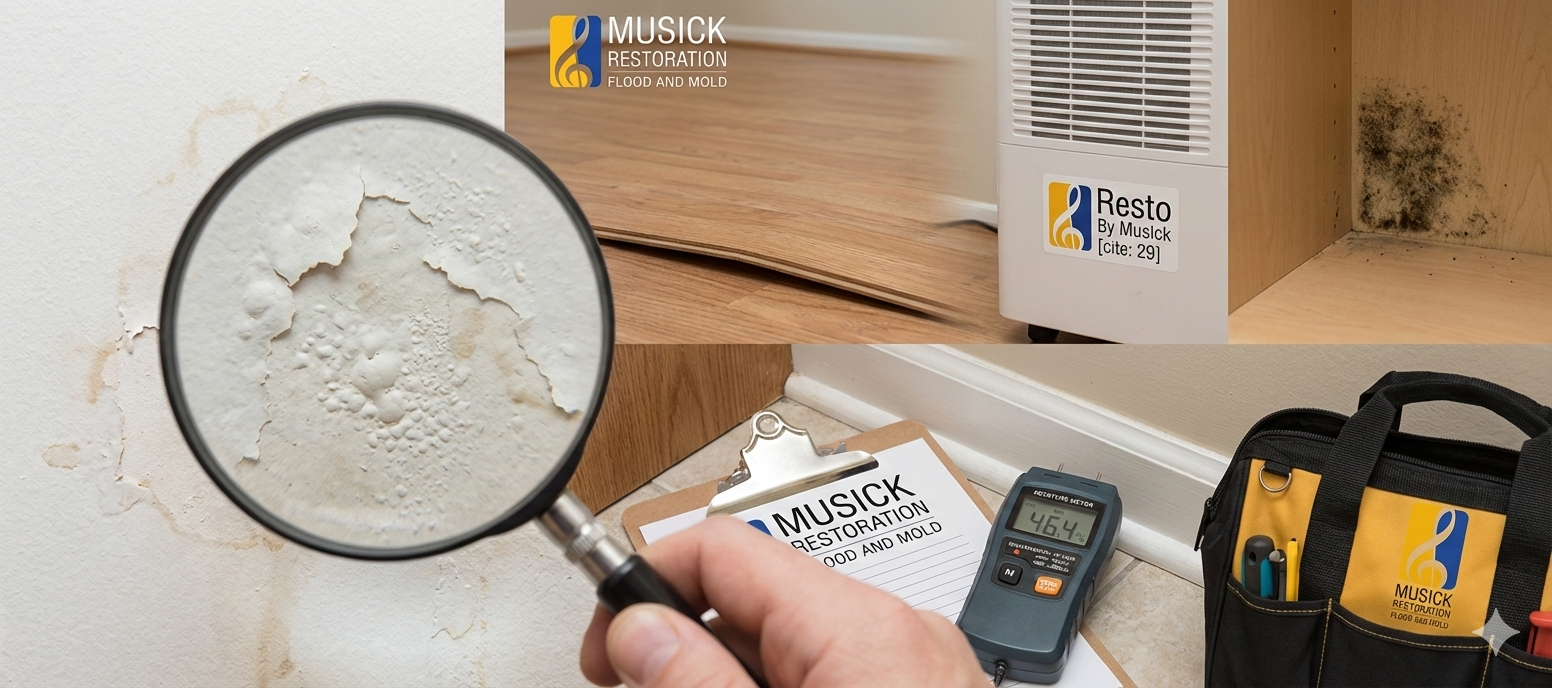
Water damage doesn’t just ruin walls, floors, and belongings—it also creates the perfect environment for mold growth. Moisture trapped in carpets, drywall, insulation, or under flooring allows mold spores to thrive, often before the damage is even visible.
Acting quickly after water damage is critical. Mold can begin developing within 24–48 hours, turning a small leak or spill into a major health and property concern if not addressed promptly. According to the U.S. Environmental Protection Agency (EPA), untreated moisture is one of the primary causes of indoor mold growth, and rapid intervention is key to preventing widespread contamination.
Understanding how to prevent mold after water damage not only protects your home’s structural integrity but also safeguards the health of your family, making swift action and proper restoration essential.
1. Act Quickly After Water Damage
The first and most critical step in preventing mold after water damage is to act immediately. Standing water or lingering moisture gives mold spores the perfect environment to grow, often within 24–48 hours. The longer water sits, the higher the risk of mold, structural damage, and health hazards.
Remove Standing Water
Use a wet/dry vacuum, mop, or pump to remove as much water as possible. Even small puddles behind furniture, appliances, or under carpets can lead to significant mold growth if left untreated.
Dry Affected Areas Quickly
Once the bulk of the water is removed, it’s essential to dry the remaining moisture from walls, floors, and structural materials. Open windows and doors for ventilation when weather permits, and use fans, dehumidifiers, and air movers to accelerate the drying process. Monitoring moisture levels can ensure that all areas reach safe, dry conditions.
According to the Institute of Inspection, Cleaning and Restoration Certification (IICRC), water-damaged areas that are not dried within 48 hours are highly likely to develop mold, making prompt action crucial.
By responding quickly, homeowners can minimize the spread of mold, protect building materials, and reduce long-term repair costs.
2. Use Proper Drying Techniques
Once standing water has been removed, it’s critical to thoroughly dry all affected areas to prevent mold growth. Simply letting areas air-dry is usually not enough, especially in hidden spaces like behind walls, under flooring, or inside insulation.
High-Powered Fans and Air Movers
Professional restoration teams use high-velocity fans and air movers to circulate air and speed up drying. These devices help remove moisture trapped in walls, ceilings, and floors that may not be visible. Proper airflow prevents damp pockets where mold can take hold.
Dehumidifiers
Dehumidifiers are essential for maintaining low humidity levels. By extracting moisture from the air, they reduce the likelihood of mold growth and protect furniture, drywall, and wooden structures from warping or deterioration.
Ventilation
Whenever possible, open windows and doors to allow natural air circulation. Proper ventilation helps remove excess moisture and prevents condensation from forming on surfaces.
Monitoring Humidity Levels
Using hygrometers or moisture meters ensures that all areas are thoroughly dried. Professionals track humidity and moisture levels daily to confirm that the drying process is complete before moving on to repairs or reconstruction.
According to The American Red Cross, thorough drying within the first 24–48 hours is critical, as mold spores can begin to grow rapidly in damp conditions.
By using proper drying techniques, homeowners and professionals can prevent mold growth, minimize structural damage, and save significant repair costs.
3. Remove and Replace Damaged Materials
After water damage, it’s important to assess which materials can be salvaged and which must be removed. Porous materials, such as carpets, rugs, insulation, and drywall, can absorb water deeply. Even with drying equipment, these materials often retain moisture, creating the perfect environment for mold growth.
Carpets and Flooring
Carpets, padding, and laminate flooring that have been saturated should often be removed and replaced, as moisture trapped underneath can lead to mold and foul odors. Hardwood floors may be salvageable if dried quickly, but warping or cupping may require partial replacement.
Drywall and Insulation
Drywall and insulation absorb water quickly and may remain damp in hidden areas. Removing affected sections ensures that hidden moisture does not foster mold growth, preventing further structural damage.
Preventing Mold Growth
Replacing damaged materials is one of the most effective ways to stop mold before it starts. According to the Environmental Protection Agency (EPA), mold can begin growing on wet or damp building materials within 24–48 hours. By removing compromised materials promptly, you significantly reduce the risk of mold colonization.
Taking this step not only protects your home but also ensures that subsequent cleaning, drying, and repairs are more effective, creating a safe and healthy environment.
4. Clean and Disinfect Surfaces
After removing damaged materials and thoroughly drying the area, it’s essential to clean and disinfect all affected surfaces. Proper cleaning helps eliminate lingering moisture, bacteria, and mold spores that could cause future infestations.
Use Mold-Killing Solutions on Hard Surfaces
Hard surfaces like wood, tile, concrete, and metal can be cleaned with EPA-registered mold-killing solutions or commercial disinfectants. Scrub affected areas thoroughly to remove any visible residue and reduce the risk of mold regrowth.
Avoid Bleach on Porous Materials
While bleach may kill surface mold, it is often ineffective on porous materials like drywall, insulation, or carpet padding. Moisture trapped inside these materials allows mold to continue growing even after surface cleaning. Porous materials often require removal or replacement for complete mold prevention.
Clean High-Risk Areas
Pay special attention to areas prone to water accumulation, such as under sinks, around windows, behind appliances, and in basements or crawlspaces. Proper cleaning and disinfection in these areas are crucial to prevent mold from establishing itself.
According to the Centers for Disease Control and Prevention (CDC), effective cleaning and disinfecting of water-damaged areas significantly reduces the risk of mold growth and associated health issues.
By cleaning and disinfecting surfaces correctly, homeowners ensure a safe, healthy, and mold-free environment before moving on to repairs and reconstruction.
5. Inspect Hidden Areas
Even after visible water has been removed and surfaces have been dried, hidden moisture can linger in hard-to-reach places. Inspecting these areas is crucial to prevent mold growth and structural damage.
Check Behind Walls and Under Flooring
Water can seep into wall cavities, under baseboards, and beneath flooring materials without being noticeable on the surface. Carefully inspect these areas for dampness, discoloration, or warping.
Look Inside Cabinets and Crawlspaces
Cabinets, closets, attics, and crawlspaces are often overlooked but can harbor residual moisture. These enclosed areas may trap humidity, creating ideal conditions for mold and wood rot.
Use Specialized Tools for Detection
Moisture meters, hygrometers, and thermal imaging cameras can detect hidden water behind walls or under flooring that isn’t visible to the naked eye. Professionals often use these tools to ensure that every affected area is thoroughly assessed.
According to the Institute of Inspection, Cleaning and Restoration Certification (IICRC), failing to inspect hidden areas after water damage is one of the primary reasons mold infestations go undetected, leading to costly repairs and health risks.
Thorough inspection of hidden spaces ensures that all moisture is addressed, giving your home the best chance of remaining dry, safe, and mold-free.
6. Control Humidity and Ventilation
Controlling indoor humidity and ensuring proper ventilation are essential steps in preventing mold growth after water damage. Even after water removal and drying, high humidity levels can allow mold spores to thrive in hidden areas.
Maintain Indoor Humidity Below 50%
Mold grows rapidly in damp environments. Using a hygrometer to monitor indoor humidity helps keep levels below 50%, creating conditions that are unfavorable for mold growth.
Use Dehumidifiers in Damp Areas
Basements, crawlspaces, and laundry rooms are prone to moisture accumulation. Dehumidifiers remove excess moisture from the air, accelerating drying and preventing the environment in which mold thrives.
Ensure Proper Ventilation
Bathrooms, kitchens, and laundry areas are hotspots for humidity. Running exhaust fans during showers, cooking, or laundry, and keeping windows open when possible, helps circulate air and reduces condensation on walls, ceilings, and floors.
According to the Centers for Disease Control and Prevention (CDC), controlling humidity and increasing airflow is one of the most effective ways to prevent mold growth and protect indoor air quality.
By maintaining low humidity and proper ventilation, homeowners can significantly reduce the risk of mold after water damage, ensuring a safe, healthy, and dry living environment.
7. Professional Mold Prevention and Remediation
Sometimes, despite your best efforts, water damage can leave behind hidden moisture that is difficult to detect or completely dry. In these cases, calling certified mold remediation experts is the safest and most effective way to prevent mold growth.
When to Call a Professional
- If water damage affects large areas of your home, including multiple rooms or floors.
- If there is visible mold or a persistent musty odor despite drying efforts.
- If water contamination involves sewage or storm floodwater, which can contain harmful bacteria.
- When structural materials like drywall, insulation, or wood remain damp despite DIY drying.
Why IICRC-Certified Technicians Matter
The Institute of Inspection, Cleaning and Restoration Certification (IICRC) sets industry standards for water damage restoration and mold remediation. Certified technicians use advanced equipment such as moisture meters, thermal cameras, and industrial dehumidifiers to detect hidden moisture and prevent mold before it spreads. They also follow strict protocols to safely remove affected materials and treat contaminated areas, reducing the risk of health hazards and structural damage..
By relying on professionals for prevention and remediation, homeowners can ensure complete mold mitigation, protect their family’s health, and preserve the value of their property.
Conclusion
Preventing mold after water damage is all about acting quickly, thoroughly drying affected areas, and addressing hidden moisture before it has a chance to take hold. Early intervention not only protects your home’s structural integrity but also safeguards the health of your family.
Taking proactive steps—like removing damaged materials, cleaning and disinfecting surfaces, controlling humidity, and inspecting hidden areas—can save thousands in repair costs compared to dealing with a full-blown mold infestation later.
If you suspect water damage or see early warning signs of mold, don’t wait. Contact professional water damage and mold remediation experts today to inspect your home, implement effective prevention measures, and restore a safe, healthy environment.
- Phone: 760-237-8410
Online Request: [Schedule a Free Inspection]