
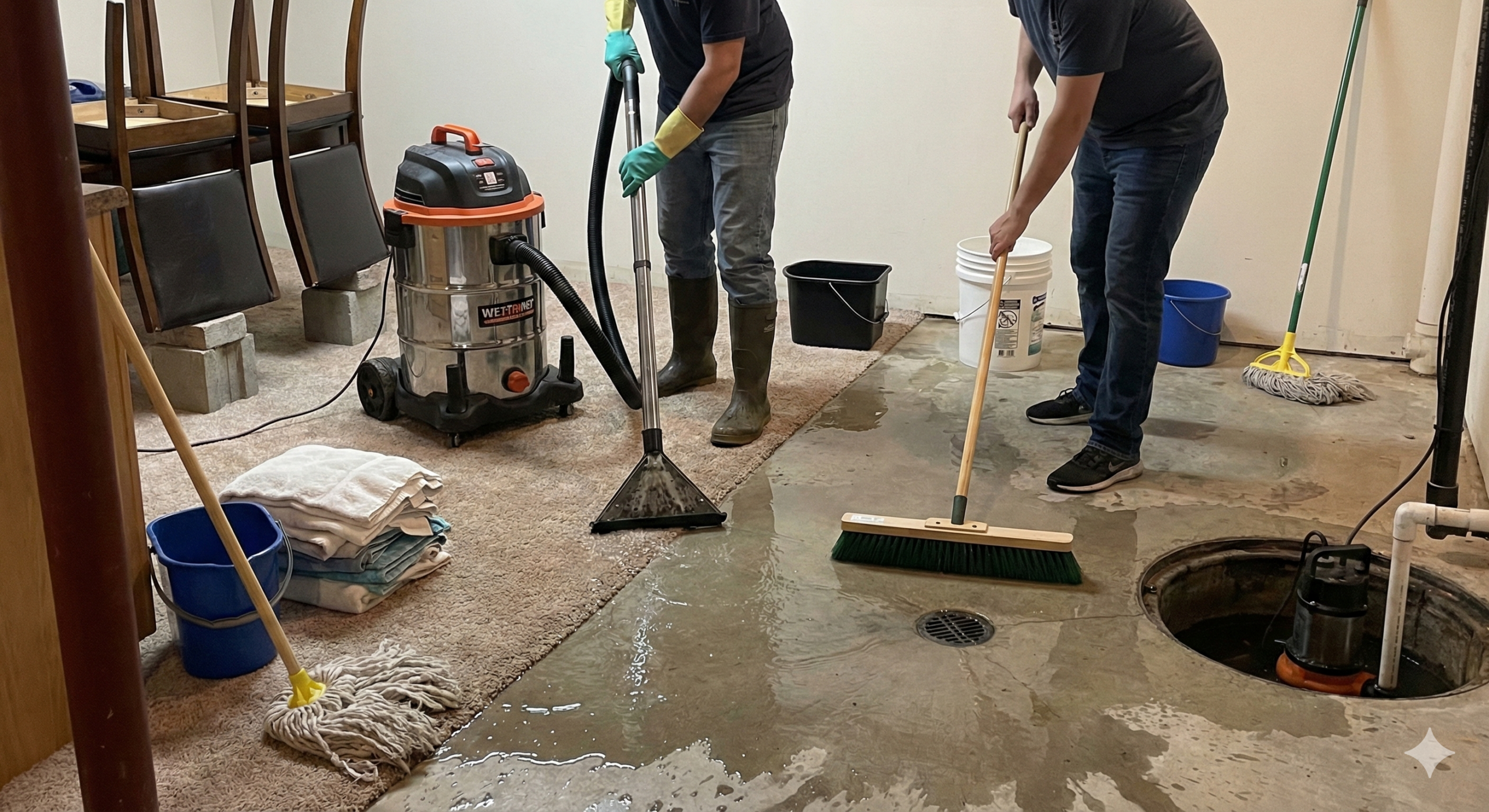
Water damage is one of the most costly and disruptive problems a homeowner can face. It can compromise your home’s structural integrity, ruin personal belongings, and create health hazards like mold and mildew. Even small leaks that go unnoticed can escalate into major repairs, significantly impacting property value and safety.
California homes face unique water damage risks due to a combination of climate, infrastructure, and geography. From heavy seasonal rains and flash floods to aging plumbing systems and foundation issues, residents are often exposed to multiple potential sources of water intrusion.
According to the Insurance Information Institute, water damage ranks among the most common and expensive homeowners insurance claims in the U.S., highlighting how widespread and serious the problem can be.
Understanding the most common causes of water damage in California homes is the first step in protecting your property and preventing costly repairs.
1. Plumbing Leaks and Burst Pipes
Plumbing issues are among the most common causes of water damage in California homes. Aging pipes, worn-out connections, or faulty plumbing installations can develop small leaks that go unnoticed for weeks or months. Even minor leaks behind walls, under sinks, or beneath floors can lead to hidden structural damage, mold growth, and costly repairs over time.
Burst Pipes
Extreme temperatures, poor maintenance, or corrosion can cause pipes to burst suddenly, releasing large amounts of water in a short period. Burst pipes are especially common in older homes with outdated plumbing systems or homes that experience occasional freezing conditions in certain regions. The sudden influx of water can flood multiple rooms, damage personal belongings, and compromise structural integrity.
Prevention Tips
- Regularly inspect pipes for corrosion, leaks, and drips.
- Replace aging or damaged pipes before they fail.
- Monitor water pressure, as unusually high pressure can strain pipes and lead to bursts.
- During colder months, insulate exposed pipes to prevent freezing.
According to the Insurance Information Institute (III), water damage from plumbing leaks and burst pipes is one of the leading causes of homeowners insurance claims, accounting for billions in repair costs annually.
Proactive maintenance and early detection are essential to prevent extensive damage and costly repairs from plumbing issues.
2. Roof Leaks
Roof leaks are another major source of water damage in California homes. Damaged or missing shingles, cracked tiles, or aging roofing materials allow water to seep into your home, often causing hidden damage to ceilings, insulation, and structural components.
Storms and Heavy Rain
California may experience heavy rain during certain seasons, and even a small leak can worsen during storms. Water can penetrate weak spots in the roof, leading to stained ceilings, warped walls, and mold growth if not addressed promptly.
Wildfires and Heat Damage
Exposure to extreme heat and wildfires can weaken roofing materials, causing cracks or brittleness that allow water to enter during subsequent rains. Homes in wildfire-prone areas are particularly at risk.
Prevention and Maintenance Tips
- Schedule regular roof inspections, especially after storms or high winds.
- Replace damaged shingles or tiles promptly to prevent water intrusion.
- Keep gutters and downspouts clear to ensure proper water drainage.
- Consider professional maintenance for older roofs nearing the end of their lifespan.
According to the National Roofing Contractors Association (NRCA), neglected roof maintenance is a leading contributor to preventable water damage in residential homes, emphasizing the importance of regular inspections and repairs (NRCA Source).
By maintaining a strong, well-inspected roof, homeowners can protect their property from leaks, structural damage, and costly repairs.
3. Appliance Failures
Household appliances are often overlooked as potential sources of water damage, yet they are among the most common culprits in California homes. Washing machines, dishwashers, water heaters, and refrigerators can all fail, leading to leaks or sudden flooding.
Hose Failures and Overflows
Flexible hoses, which connect appliances to your plumbing, can wear out, crack, or burst over time, releasing large amounts of water. Overflows from washing machines or dishwashers can also occur if drainage is blocked or if appliances malfunction, potentially damaging floors, walls, and nearby furniture.
Preventive Tips
- Inspect hoses and connections regularly for signs of wear or corrosion.
- Replace flexible hoses every 5–7 years, or sooner if damage is detected.
- Monitor appliances during operation and address any leaks immediately.
- Ensure proper installation and drainage for all water-using appliances.
According to The Insurance Information Institute (III), appliance-related water damage accounts for a significant portion of home insurance claims, often causing thousands of dollars in repairs.
Regular maintenance and vigilance can prevent unexpected flooding, protect your home, and reduce the risk of costly mold or structural damage caused by appliance failures.
4. Sewer and Drain Backups
Sewer and drain backups are a serious source of water damage in California homes, often causing both property destruction and health hazards. Unlike clean water leaks, sewer water can carry harmful bacteria, viruses, and contaminants, making prompt professional intervention essential.
Common Causes
- Clogged Drains: Hair, grease, soap buildup, or foreign objects can block drains, causing wastewater to back up into sinks, tubs, or floors.
- Broken or Collapsed Sewer Lines: Aging pipes or shifting soil can crack or collapse sewer lines, leading to widespread contamination.
- Heavy Rain and Storms: Excessive rainfall can overwhelm municipal sewer systems, forcing wastewater back into homes, particularly in lower-elevation areas.
Health and Property Risks
Sewer backups can quickly damage flooring, walls, cabinets, and personal belongings. Exposure to contaminated water also poses serious health risks, including infections and respiratory issues. Mold growth can begin within 24–48 hours if the water isn’t addressed immediately.
Why Professional Help is Crucial
Due to the contamination risks, it’s important to call certified water damage restoration professionals. They use specialized equipment to remove contaminated water, disinfect surfaces, and safely dispose of damaged materials. According to the Centers for Disease Control and Prevention (CDC), handling sewage water without proper precautions can lead to serious health hazards.
By acting quickly and seeking professional intervention, homeowners can limit property damage, prevent mold growth, and protect their family’s health.
5. Natural Disasters
California is prone to a variety of natural disasters that can cause severe water damage to homes. Flooding from heavy rains, flash floods, and even mudslides can quickly saturate flooring, walls, and foundations, creating both structural and health hazards.
Flooding and Heavy Rain
Although California is often associated with dry weather, certain regions experience intense seasonal rains. Flash floods can overwhelm drainage systems, forcing water into basements, garages, and lower floors. This rapid intrusion of water can damage electrical systems, flooring, and personal belongings.
Mudslides and Landslides
Homes in hilly or mountainous regions are particularly at risk from mudslides or landslides triggered by heavy rainfall or wildfire-affected soils. These events can burrow water and debris into foundations and lower levels of homes, requiring immediate cleanup and restoration.
Preventive Tips
- Ensure proper grading around your home to direct water away from foundations.
- Install or maintain sump pumps and drainage systems to manage excess water.
- Regularly inspect your property before and after heavy rain events.
According to the Federal Emergency Management Agency (FEMA), flood damage is among the most destructive and costly natural hazards in the U.S., emphasizing the importance of preparation and early response.
By understanding the risks of natural disasters, homeowners can take proactive steps to protect their homes and minimize water damage when extreme weather occurs.
6. Foundation and Structural Issues
Problems with a home’s foundation or structural elements can be a hidden cause of water damage in California homes. Even small cracks, uneven settling, or poor grading can allow water to seep into basements, crawlspaces, and lower levels, creating long-term damage if left unchecked.
Cracks and Settling
Over time, foundations may develop cracks or gaps due to soil movement, earthquakes, or natural settling. These openings allow water to enter, damaging walls, floors, and insulation. Continuous water intrusion can also compromise the structural integrity of the home.
Poor Grading and Drainage
Land that slopes toward the home rather than away from it can direct rainwater toward the foundation, increasing the risk of seepage. Improperly installed or clogged gutters and downspouts exacerbate this problem, allowing water to pool near critical structural areas.
Prevention and Maintenance Tips
- Inspect foundations regularly for cracks or signs of settling.
- Ensure the soil around your home slopes away from the foundation.
- Maintain gutters, downspouts, and drainage systems to direct water safely away from your home.
- Consider professional waterproofing or grading adjustments if needed.
According to the American Society of Civil Engineers (ASCE), foundation-related water intrusion is a common cause of structural damage in residential properties, highlighting the importance of proactive inspections and maintenance.
Addressing foundation and structural issues early helps prevent water intrusion, mold growth, and costly repairs, protecting both your home and its long-term value.
7. Roof or Window Condensation
Even without obvious leaks, high indoor humidity and poor ventilation can lead to water damage in California homes. Condensation forms when warm, moist air comes into contact with cooler surfaces like windows, walls, or roof cavities. Over time, this hidden moisture can cause mold growth, wood rot, and structural deterioration.
Common Signs
- Water droplets on windows or window sills.
- Staining or peeling paint on walls and ceilings.
- Musty odors in attics, basements, or behind walls.
Prevention Tips
- Maintain indoor humidity levels below 50% using dehumidifiers in damp areas.
- Ensure proper ventilation in bathrooms, kitchens, and attics to reduce condensation.
- Inspect window seals and roof vents to prevent trapped moisture.
- Consider insulation improvements for cooler surfaces to reduce temperature differences that cause condensation.
According to the U.S. Department of Energy, improper ventilation and high indoor humidity are leading causes of hidden water damage and mold growth in homes, making monitoring and airflow crucial.
By addressing condensation issues proactively, homeowners can prevent mold, protect structural materials, and maintain a healthy living environment.
Conclusion
Water damage in California homes can stem from a variety of sources—plumbing leaks, roof problems, appliance failures, sewer backups, natural disasters, foundation issues, and even condensation. Each of these can cause structural damage, mold growth, and costly repairs if left unaddressed.
The key to protecting your home is early detection, routine inspections, and proactive maintenance. Regularly checking plumbing, roofs, gutters, and appliances, as well as monitoring humidity and ventilation, can prevent minor issues from escalating into major damage.
If you notice signs of water intrusion or want peace of mind, contact professional water damage restoration experts. Certified technicians can assess your home, address hidden moisture, and implement preventive measures to keep your property safe, dry, and structurally sound.
- Phone: 760-237-8410
Online Request: [Schedule a Free Inspection]